Engineering Intelligence
AI · ML Engineer · Data Scientist · Software Engineer · Mathematics @ UI
Unveiling hidden patterns in chaos. Building intelligent systems backed by solid mathematical intuition.
About Me

Raditya Fauzan
AI · ML Engineer · Mathematics @ UI
I am a final-year Mathematics student at Universitas Indonesia with a deep focus on AI and Software Engineering. Mathematics, for me, is not just about formulas — it is the language of logic and precision that underpins every intelligent system I build.
I thrive at the intersection of clean code and smart algorithms. Whether architecting a RAG-powered chatbot, building a real-time computer vision pipeline, or optimizing a backend with FastAPI and Celery, my goal is always the same: make AI work reliably in the real world — backed by solid mathematical intuition.
Core Technologies
Experience
Work, organizations,
and education.
Work Experience
Organizational Experience
Education
Projects

Comparative Evaluation of DPO and GRPO on Qwen 3 0.6B
Benchmarking DPO vs GRPO alignment techniques on a small language model for mathematical reasoning, with custom multi-component reward engineering.
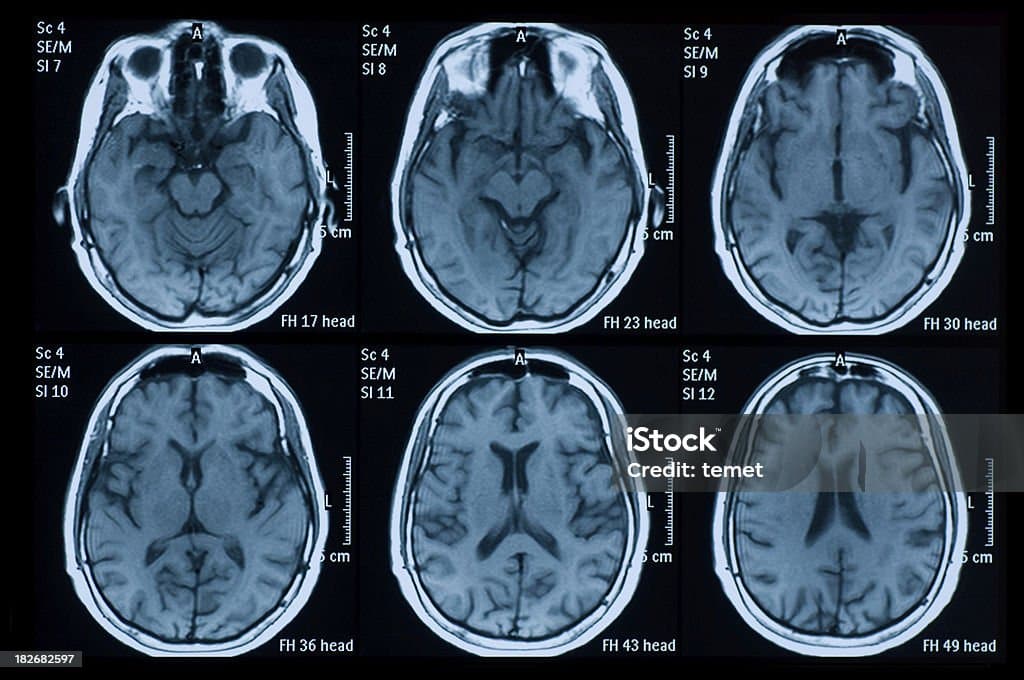
Dementia Brain MRI Generation using Conditional DCGAN
A bioinformatics research project using Conditional Deep Convolutional GANs to generate synthetic brain MRI images across different Alzheimer's dementia stages.
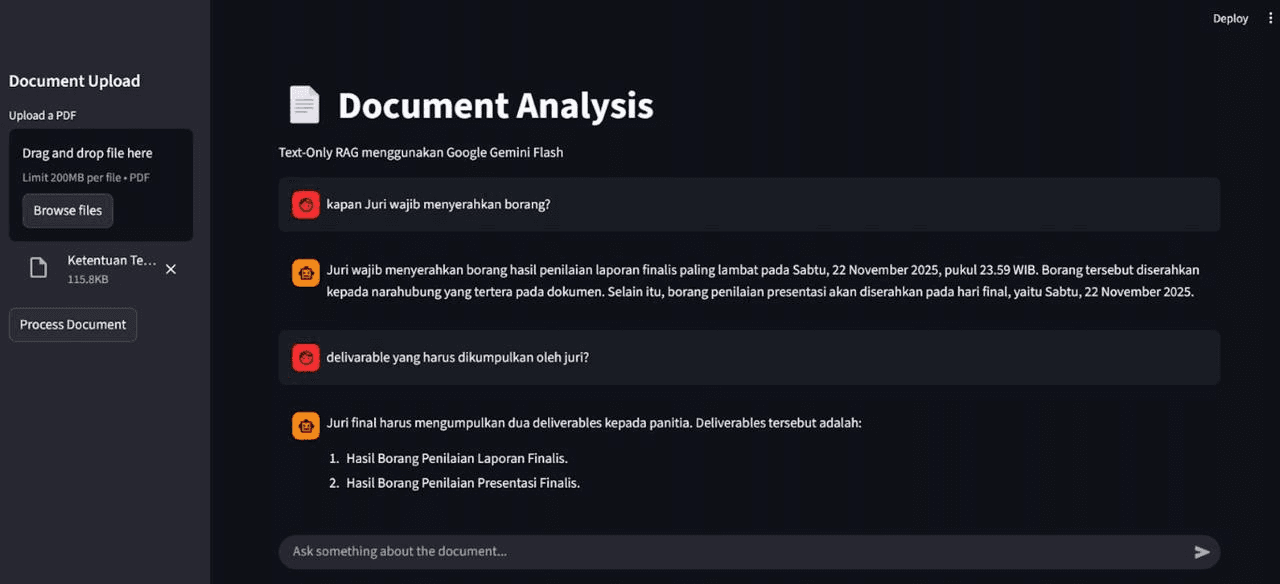

Cloud Data Security Risk Analysis
Cybersecurity anomaly detection using Isolation Forests and Tree SHAP for explainable AI.
Heart Disease Prediction (ANN)
Deep learning model for binary & multiclass medical diagnosis achieving 87% accuracy with Keras Tuner hyperparameter optimization.


Sales Performance Dashboard
Business intelligence dashboard for pharmaceutical sales tracking and KPI visualization across multiple regions.
Get in touch
Let's build something together.
Open for full-time roles, freelance projects, or just a good conversation about AI and math.